
Livestock Tracking BLE: Smart Farming with Real-Time Location
Animal Welfare, Heat Detection and Pasture Monitoring
BLE Livestock Activity Tracking delivers automated health and location monitoring for cattle and livestock across barns and pastures. Featuring ultra-long battery life, rugged smart ear tags provide early estrus detection, grazing geofencing, and vital sign monitoring to boost farm productivity and animal welfare.

Automated Estrus Detection and Early Health Alerts
Precision cattle breeding requires 24/7 monitoring of behavioral metrics. Safectory ear tags and collar beacons equipped with motion sensors track rumination, feeding, and resting patterns in real time. Anomalies immediately trigger automated alerts to herd management software, detecting estrus cycles and onset of illnesses before visible symptoms emerge.
Comprehensive Localization from Free-Stall Barns to Pastures
Combining low-maintenance BLE tags with long-range gateways provides continuous spatial awareness across extensive grazing grounds. Geofencing features instantly notify operators if livestock breaches boundaries or remains immobile. Enclosures withstand extreme farm conditions, moisture, and chemical exposure.
Tangible Economic Return on Investment
Shorter calving intervals, lower medication expenses, and higher insemination hit rates typically recover total investment costs within a single lactation cycle. Open API integrations streamline data feeds directly into farm planning systems.
Products used in this solution
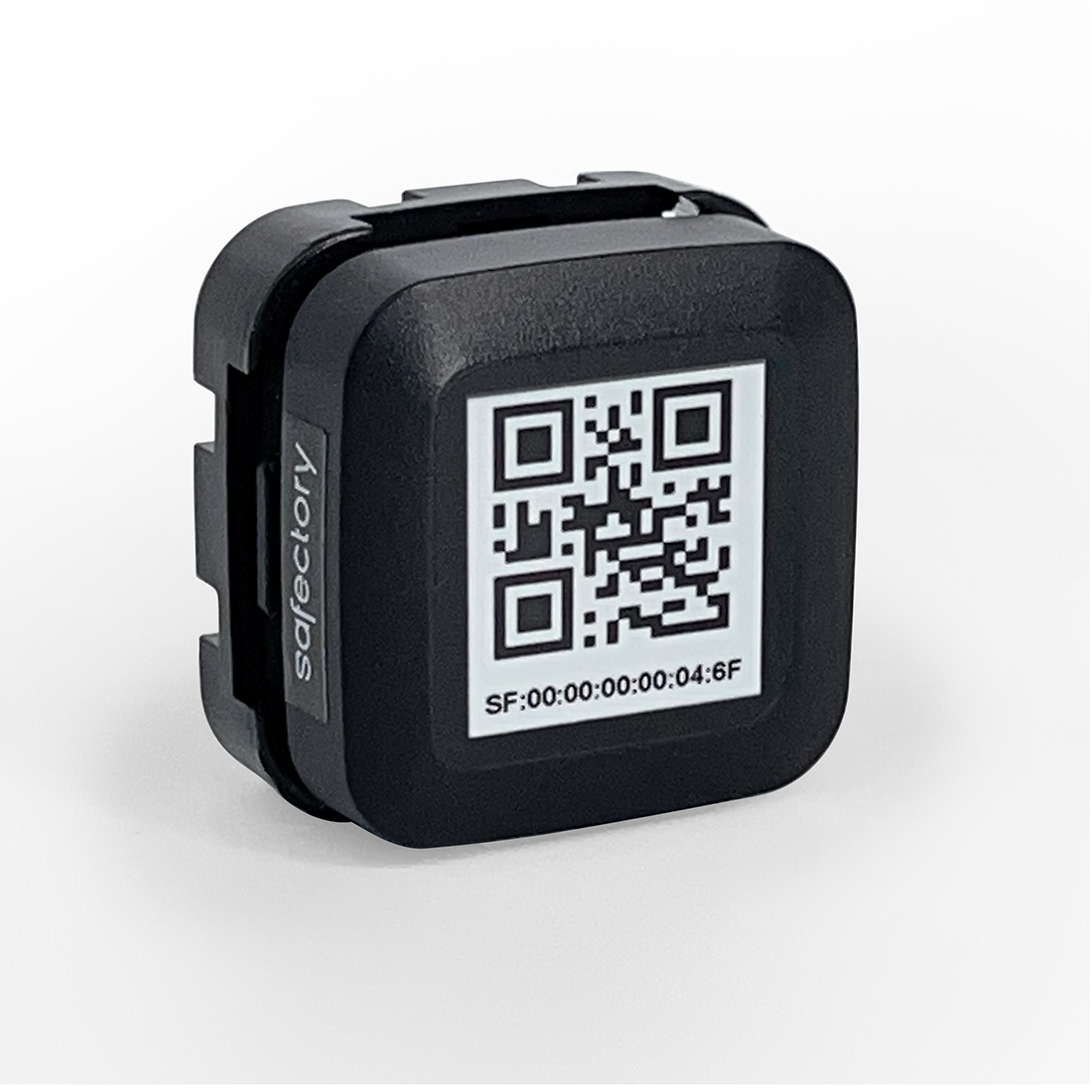

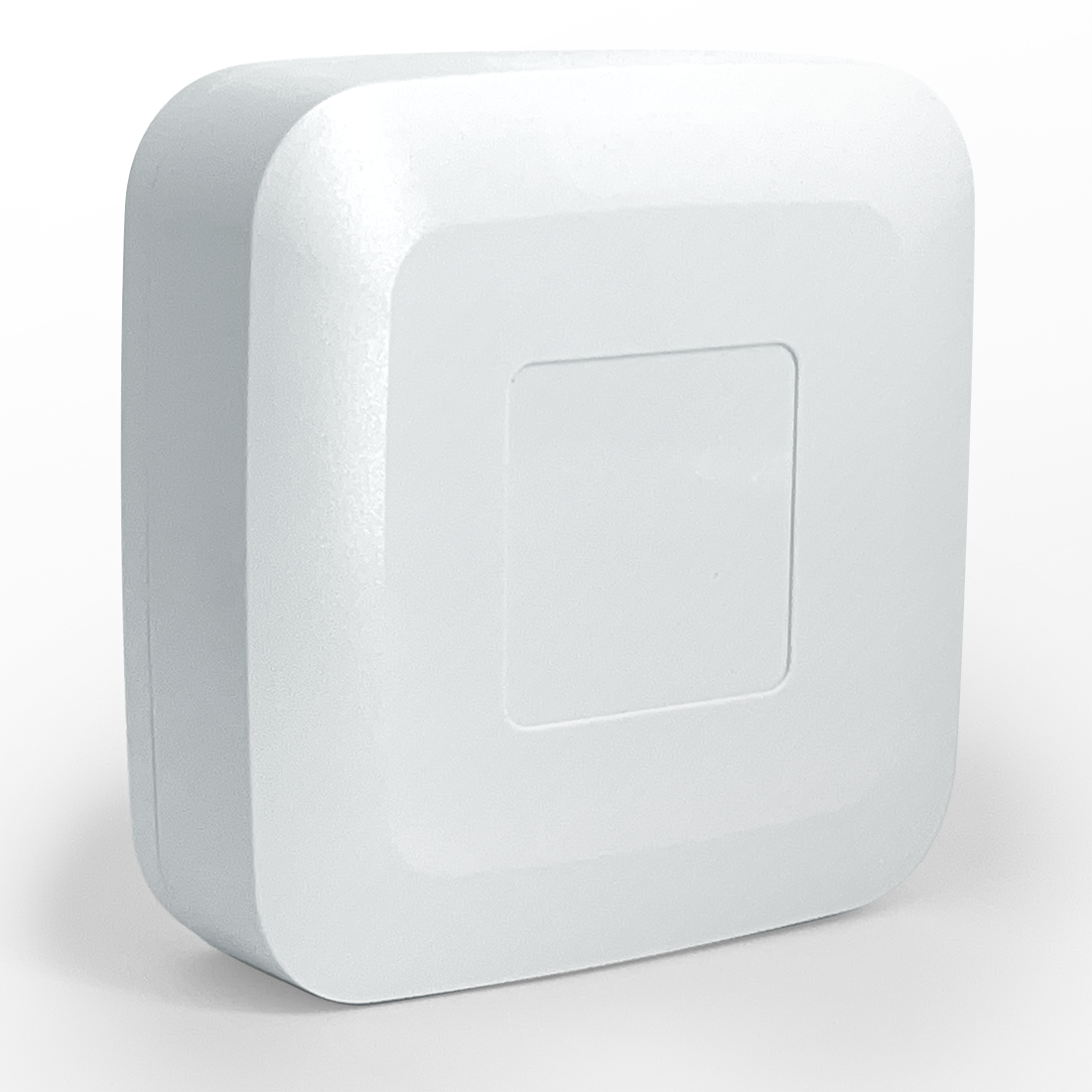
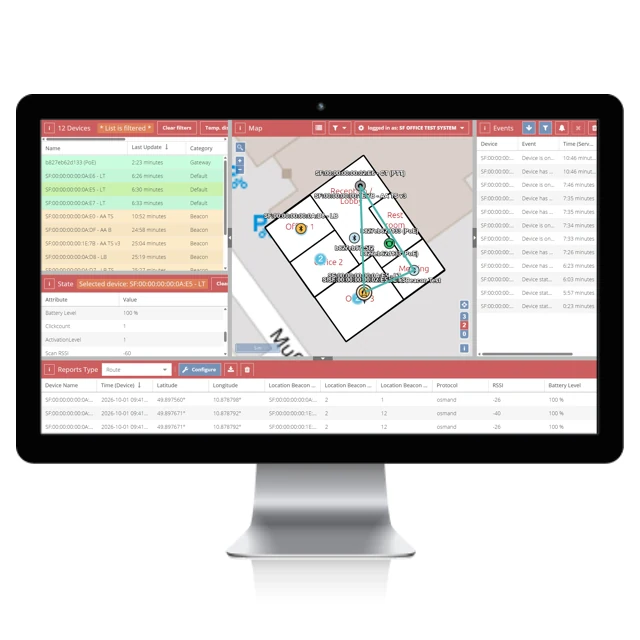
- On premise or via cloud
- Device and data management
- Open data and REST/websocket API
FAQ – Frequently Asked Questions
BLE asset tracking simple, secure and scalable
Easily track assets in hospitals, factories and secure facilities, integrating with existing infrastructure.
When selecting a Real-Time Location System (RTLS), decision-makers frequently analyze BLE vs. UWB positioning. While Bluetooth Low Energy (BLE) focuses on cost efficiency and leveraging existing Wi-Fi hardware, Ultra-Wideband (UWB) delivers sub-meter precision.
How Does UWB Differ From BLE?
Ultra-Wideband utilizes wide radio frequency spectrums to measure signal Time of Flight (ToF), achieving positioning accuracy of under 10–30 centimeters. However, UWB requires specialized, high-cost anchor hardware and consumes significantly more battery power on tracking tags.
How Does BLE Compare?
Modern BLE 5.1/5.2 with Angle of Arrival (AoA) delivers accuracy under 1 to 2 meters – perfectly suited for 95% of industrial B2B use cases, including container tracking, tool localization, and pallet management. BLE stands out with 60–70% lower hardware costs, tag battery life up to 10 years, and compatibility with Aruba access points.
BLE vs. UWB Decision Guide
- Precision: UWB for sub-meter autonomous guided vehicle (AGV) control (< 30 cm); BLE for room, zone, and shelf-level tracking (1–2 m).
- Infrastructure Cost: BLE utilizes existing access point infrastructure, drastically reducing deployment expense.
- Battery Life: BLE beacons last up to 10 years; UWB transponders require frequent recharging or battery replacement.
- Scalability: BLE easily scales across sprawling production facilities and outdoor yards. Review technical standards at IEEE Standards Association.
Before investing in an enterprise-wide RTLS rollout, engineering teams prefer evaluating performance in their own operational environment. The Asset Tracking Demo Kit provides a simple plug-and-play evaluation package.
What is Included in the Safectory Demo Kit?
- Pre-Configured BLE Beacons: Selection of industrial beacons ready to attach to sample assets.
- Mobile Gateway / Anchors: Pre-configured receivers for instant setup without touching corporate IT networks.
- Cloud Dashboard Access: Full access to the Safectory RTLS Dashboard featuring live map visualization and tracking analytics.
How Fast is Deployment?
Setup requires zero network integration or complex cabling (Zero-Calibration). Simply power on the hardware, attach beacons, and view live tracking data within 30 minutes.
Data privacy and works council compliance are essential prerequisites when introducing indoor location systems. Regarding RTLS GDPR data privacy, Safectory is engineered from the ground up on privacy-by-design principles.
How Does Safectory Protect Personal Data?
Safectory is specifically built for tracking physical assets, equipment, and goods, not individuals. All beacon IDs are anonymized and cannot be linked to individual employees without explicit administrative authorization.
GDPR & Works Council Standards
- Anonymized Tracking: Beacons are attached to tools, containers, or pallets. Personal employee data is never processed or stored.
- Role-Based Access Control: Strict permission structures ensure only authorized personnel can access asset location maps.
- Regulatory Alignment: Fully compliant with EU General Data Protection Regulation (GDPR) guidelines and national labor privacy laws.
Required RTLS accuracy for indoor positioning depends heavily on your specific B2B operational environment. Industrial applications range from exact meter-level location finding to room assignment and zone presence detection.
What Precision Levels Does Safectory Offer?
The Safectory Asset Tracking platform supports three flexible positioning modes:
- High-Precision Tracking (1–3 Meters): Utilizing triangulation and Angle of Arrival (AoA), exact coordinates of tools, small parts containers, or mobile equipment are displayed on digital floor plans.
- Room-Level Accuracy: Ideal for hospitals, laboratories, or office complexes where assigning assets to specific rooms or labs is required.
- Zone Presence Tracking: Detects asset presence in predefined zones like receiving docks, staging areas, or shipping lanes.
What Factors Influence Indoor Positioning Accuracy?
Accuracy depends on anchor point density, ceiling height, building architecture, and metallic obstructions. Safectory filtering algorithms reliably isolate signal reflections. Read more about wireless standards via the Bluetooth SIG Specification Portal.
Learn more
Looking for the best BLE-based RTLS that respects data privacy and doesn’t overload your IT stack?
Discover demos, use cases and technical details.
Technical Setup
Ultra-Low Power BLE Sensor Nodes
Engineered for up to 5 years of battery life, rugged food-grade housings ensure long-term durability on livestock.
Seamless Milking and Feeding Integrations
Standardized REST interfaces feed location and behavioral metrics into automated feeders, milking robots, and management suites.
Rugged Indoor and Outdoor Gateway Infrastructure
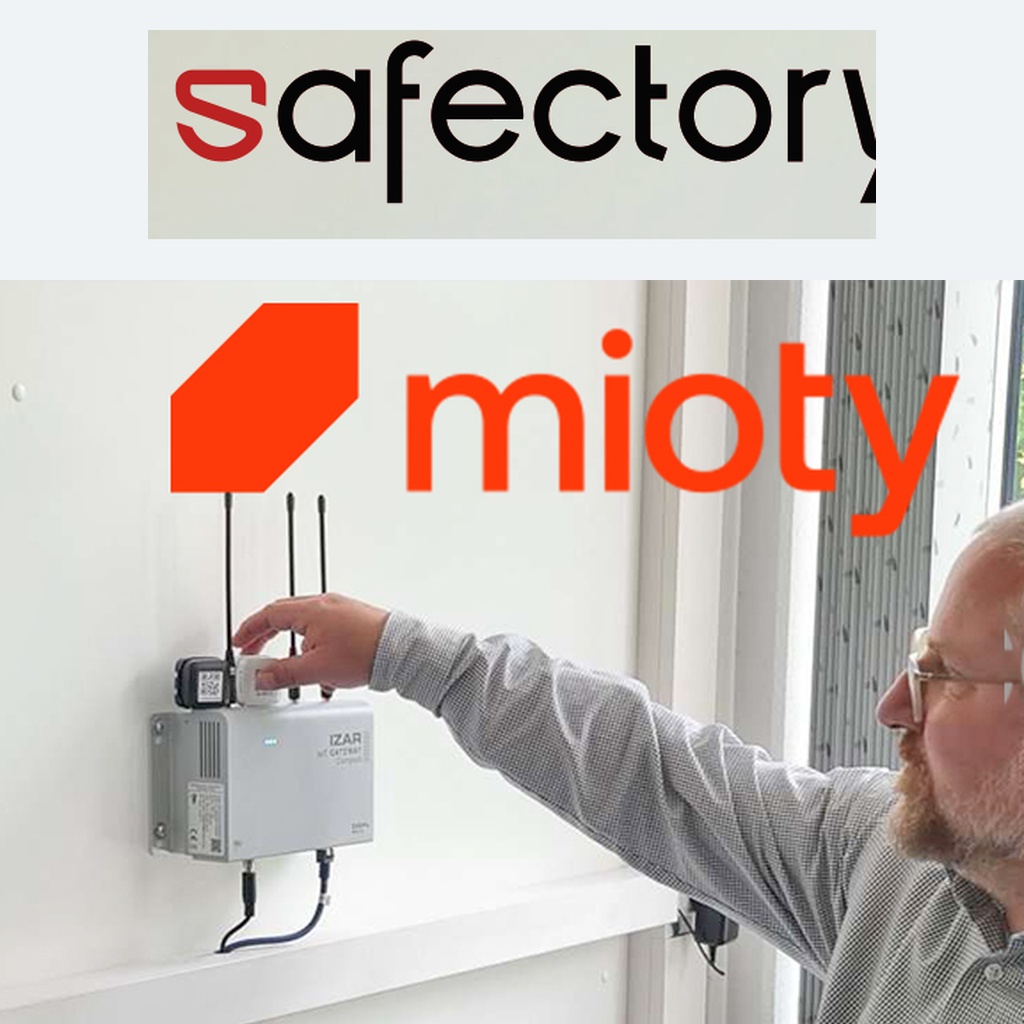
IP67 weatherproof gateways with cellular uplinks connect remote pasture perimeters without requiring physical network cabling.
Ready to digitize your operations? Discover our overarching Smart Farming and livestock tracking architecture, explore the weatherproof Safectory AA Beacon (IP67) and Safectory Track Software, or contact our engineering team via our contact form for a tailored consultation.


Further Solutions

Optical and Wireless Visitor Counting
Zone and Occupancy Analysis
Path and Dwell-Time Analytics


Products used in this scenario
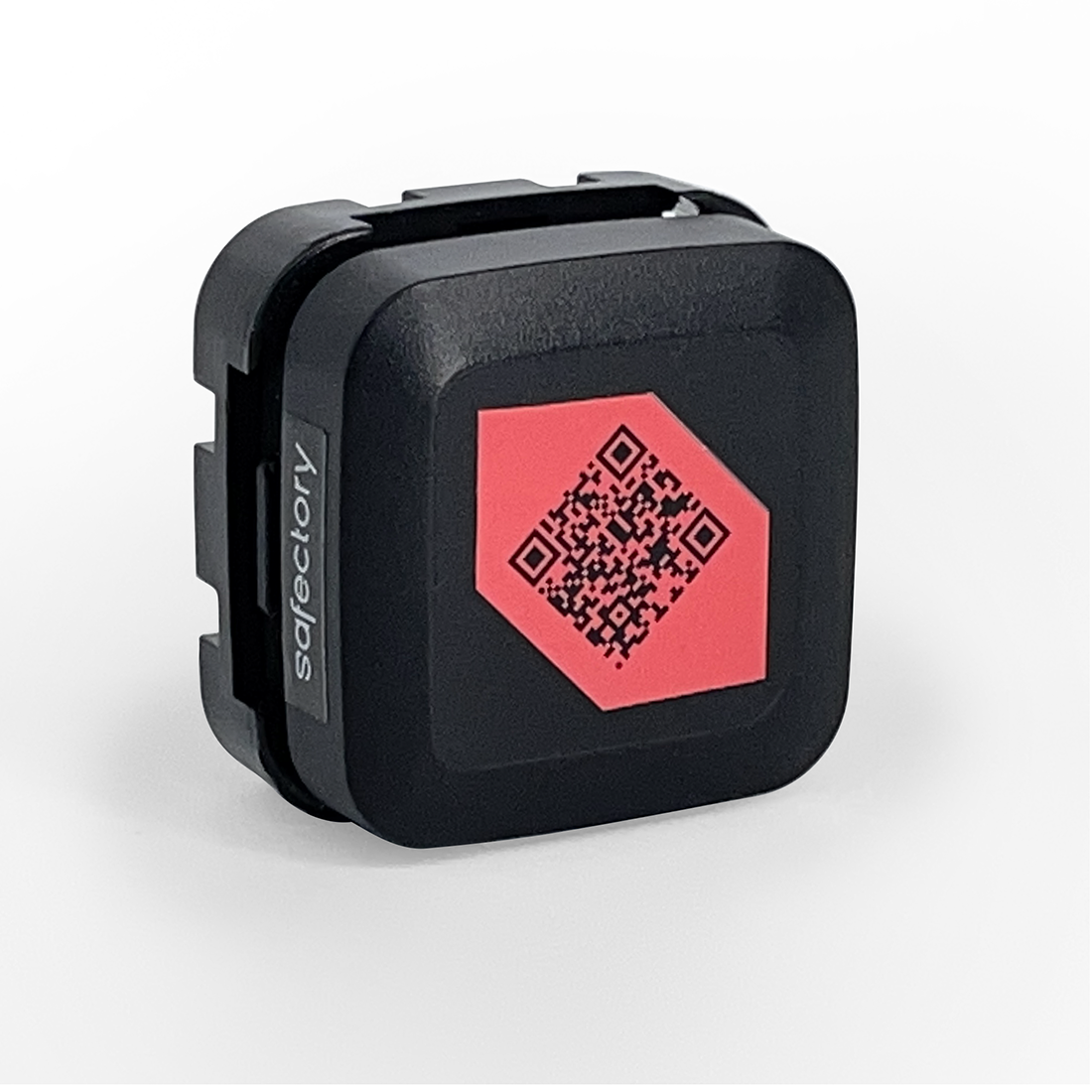
- Mioty Sub-GHz long-range tag
- Wireless tracking for vast sites
- For logistics and smart cities
- Multi-year battery lifespan
- On premise or via cloud
- Device and data management
- Open data and REST/websocket API


- Apron Asset Locating
- Luggage Cart Management
- Battery-driven Tracking

- Occupancy Monitoring
- Demand-Based Cleaning
- Digital Twin and Facility

- Real-Time Yard Tracking
- E-Bus Charging Logistics
- Depot Workshop Control



- Municipal Asset Tracking
- Winter Fleet Management
- Environmental Sensor Data
- Accurate Movement Patterns
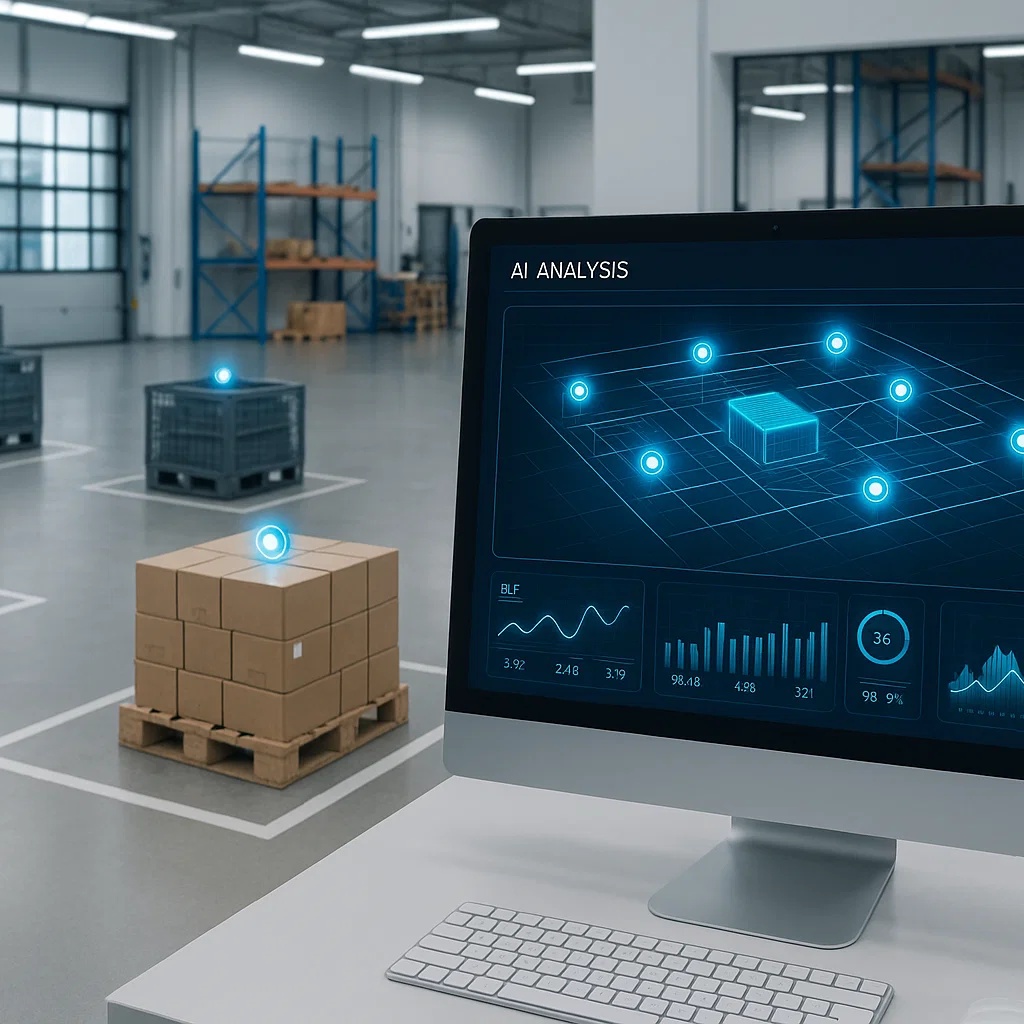
- Direct On-Premise Analysis
- Zero Cloud Dependency