Smart Industry 4.0: RTLS and IIoT Asset Tracking
Shopfloor Real-Time Visualization and OEE Optimization
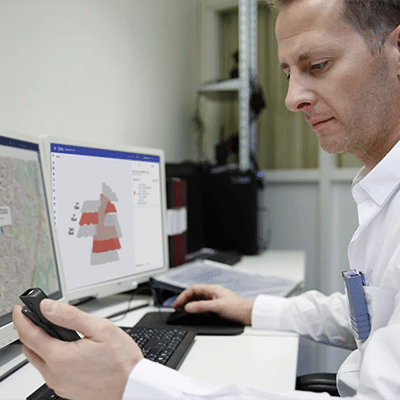
Industry 4.0 tracking refers to the automated, real-time localization of workpiece carriers, load carriers, and equipment across the shopfloor using maintenance-free Bluetooth Low Energy (BLE) beacons. By linking live position data directly into existing MES and ERP systems, a digital twin of manufacturing operations is created – reducing search times by up to 80% and measurably boosting overall equipment effectiveness (OEE).
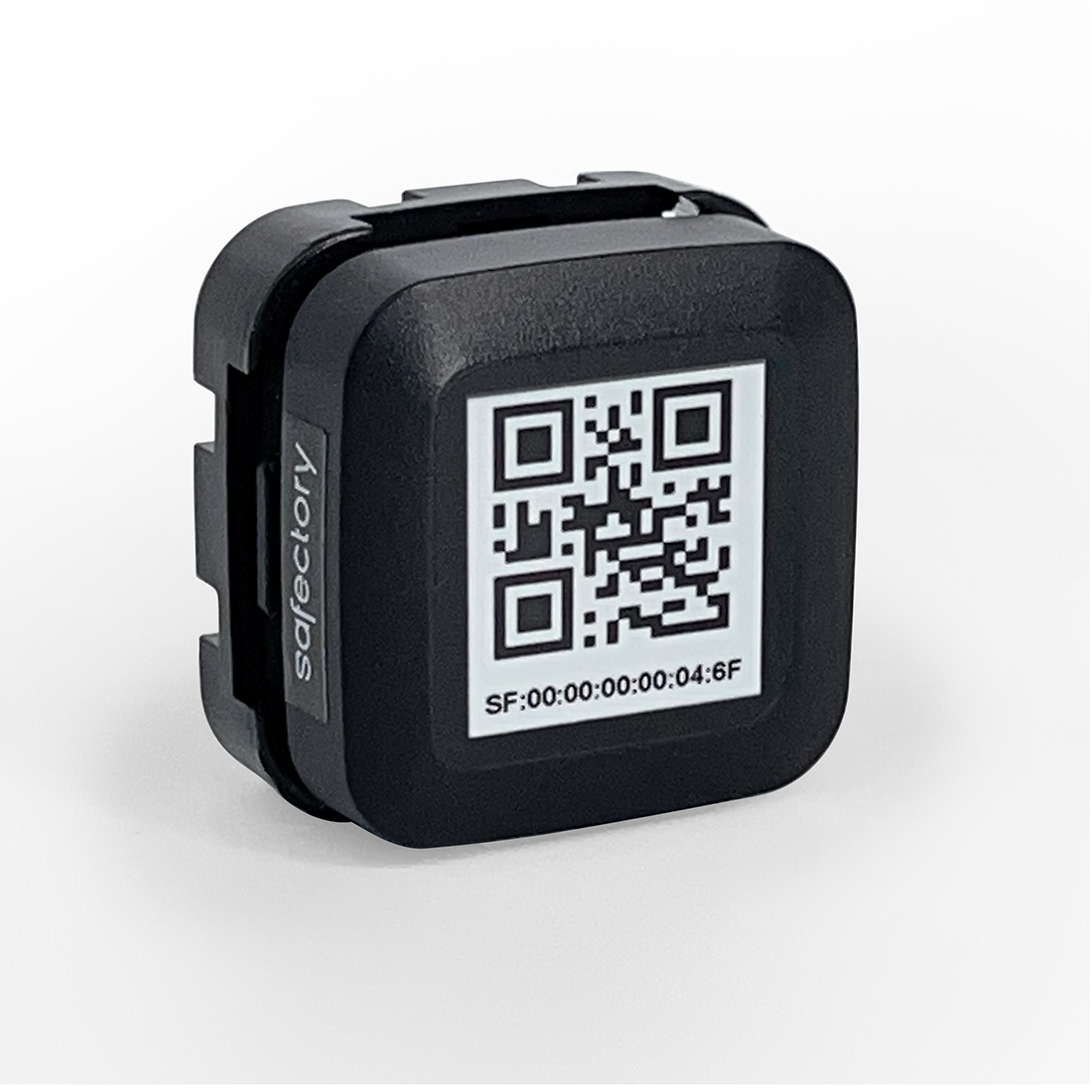
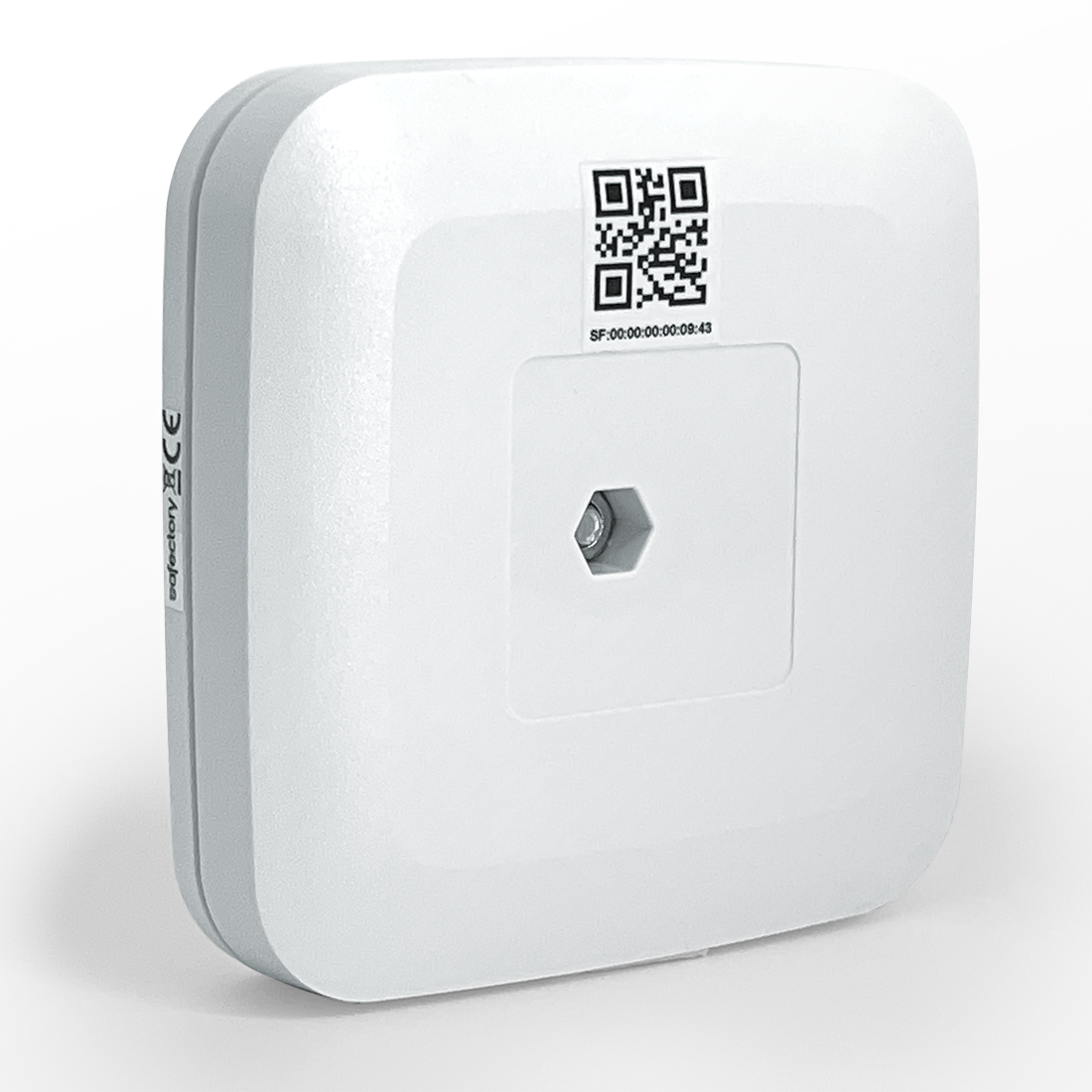
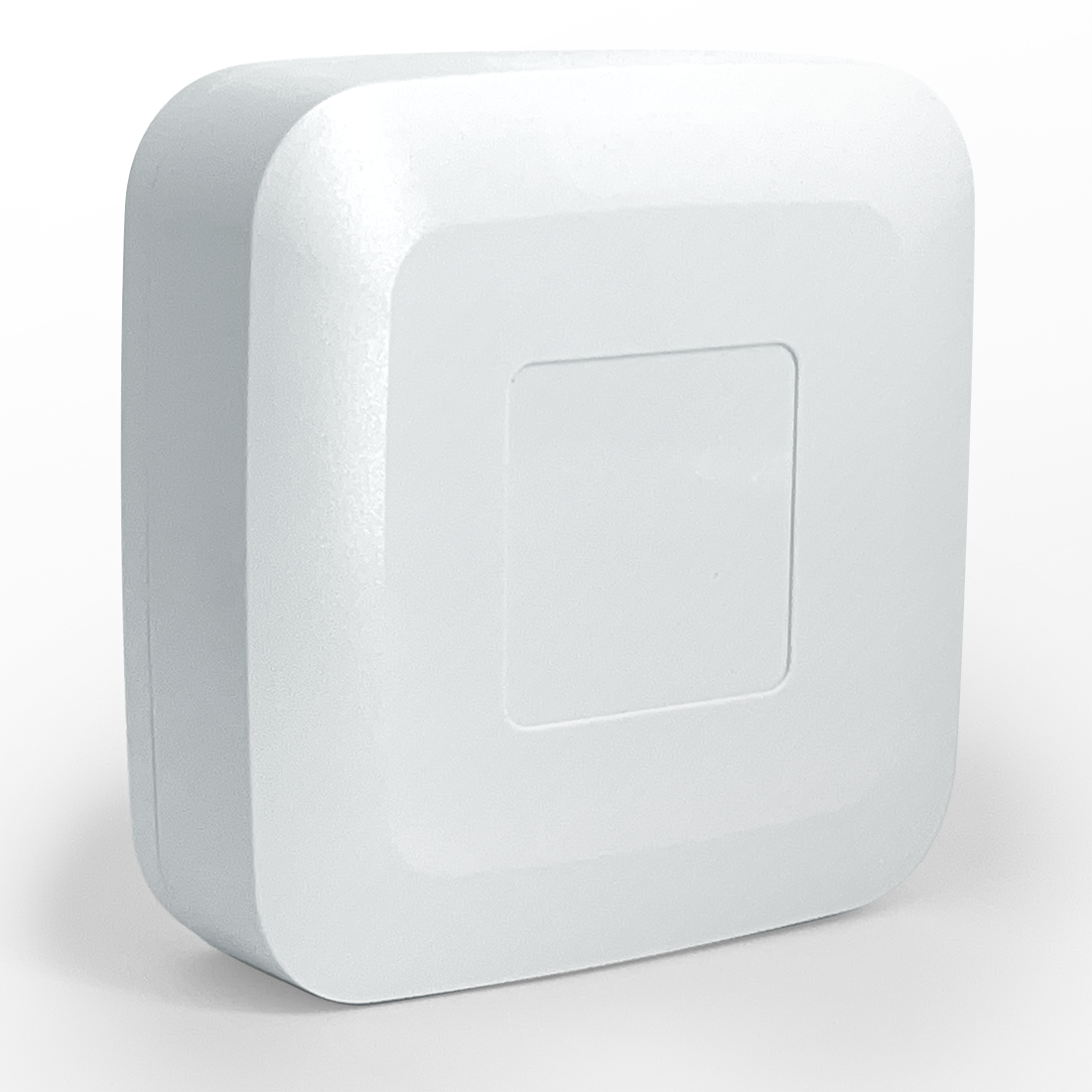
Products used in this solution
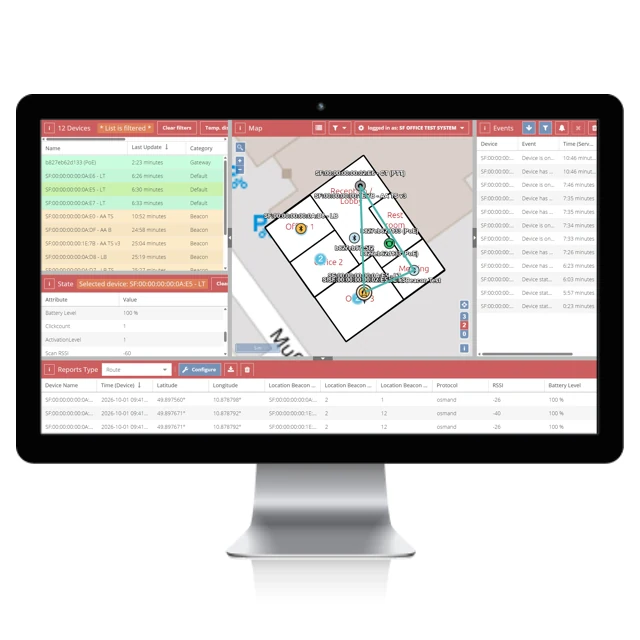
- On premise or via cloud
- Device and data management
- Open data and REST/websocket API
WiP Localization Without Disrupting Workflows
Blind spots on the factory floor create bottlenecks. Safectory RTLS tracks work-in-progress (WiP) assets automatically, providing full transparency across order stages for responsive bottleneck management.
The Live Digital Shadow of Your Assembly Floor
Position data connects directly with production orders in your MES. Production managers gain a high-resolution data foundation for throughput optimization and lead-time reduction.
Measurable OEE Improvement and Fast Payback
Achieve at least 10% reduction in working capital / WIP buffers with payback typically under 12 months. All telemetry remains secure and on-premise.
FAQ – Frequently Asked Questions
BLE asset tracking simple, secure and scalable
Easily track assets in hospitals, factories and secure facilities, integrating with existing infrastructure.
Many industrial manufacturers and critical infrastructure operators require complete data sovereignty within their local network. Safectory supports full RTLS on-premise deployment as well as secure cloud hosting.
Which Deployment Models Are Available?
- On-Premise Server: The complete Safectory positioning engine operates locally on your internal servers or virtual machines (VMware / Docker / Kubernetes). No location data ever leaves your corporate network.
- Private Cloud: Hosted in ISO 27001-certified German data centers (Frankfurt am Main).
- Hybrid Deployment: Local location processing at plant sites with centralized management at headquarters.
Benefits of On-Premise RTLS
On-premise execution guarantees maximum data sovereignty, zero LAN latency, and independence from external internet connections. Security standards align with guidelines from the Federal Office for Information Security (BSI).
A Real-Time Location System delivers maximum ROI when seamlessly connected with enterprise software. RTLS SAP ERP WMS integration enables location data to directly trigger automated business workflows.
Which APIs and Interfaces Does Safectory Provide?
Safectory features modern REST and real-time streaming interfaces:
- REST API: Standardized HTTP JSON endpoints to query asset coordinates, movement history, and zone status.
- Webhooks & MQTT: Real-time event push notifications upon zone transitions, movement events, or sensor telemetry updates.
- SAP & WMS Connectors: Direct mapping of Safectory beacon IDs to SAP material numbers or warehouse bin locations.
Enterprise Integration Benefits
Integration automates inventory booking, eliminates manual search times in SAP EWM, and delivers real-time asset utilization analytics. Explore developer documentation in the Safectory API Portal and OpenAPI specifications.
Managing battery replacement across large-scale deployments with thousands of assets is a key operational consideration. Actual BLE beacon battery life depends on battery capacity, broadcast interval, and environmental conditions.
Typical Battery Lifespan Overview
- Standard Asset Beacons (CR2477 Coin Cell): 3 to 5 years at a standard 1–2 second broadcast ping rate.
- Industrial Long-Life Beacons (Li-SOCl2): Up to 8 to 10 years in continuous industrial operation.
- Smart Power-Saving Mode: Integrated motion sensors place beacons into sleep mode when assets are stationary, extending battery life by up to 40%.
Automated Battery Monitoring
The Safectory RTLS Dashboard automatically monitors voltage levels across all active tags. When capacity drops below a defined threshold (e.g., 15%), automated maintenance alerts are triggered. Read more about Bluetooth battery standards at the Bluetooth SIG Developer Portal.
When selecting an industrial location tracking system, B2B companies often compare BLE vs. RFID asset tracking. While both technologies track equipment, carrier assets, and tools, they differ fundamentally in operational mode, range, and infrastructure complexity.
How Does RFID Work in Asset Tracking?
Passive RFID tags (Radio-Frequency Identification) carry no internal battery. They remain dormant until energized by an RFID reader’s electromagnetic field. RFID is ideal for chokepoint detection, such as receiving gates, shipping docks, or designated transfer stations where assets must be logged at specific checkpoints.
How Does BLE (Bluetooth Low Energy) Work?
BLE beacons actively broadcast radio signals at regular intervals. Fixed anchor points or existing Wi-Fi access points (such as Aruba Wi-Fi 6 APs) receive these signals and calculate real-time positions. This enables facility-wide continuous tracking across large factory halls, warehouses, and outdoor yards with ranges up to 100 meters – without manual scans.
BLE vs. RFID Feature Comparison
- Tracking Mode: BLE provides continuous real-time indoor positioning. RFID provides discrete timestamped checkpoint scans.
- Coverage & Range: BLE covers up to 100 meters per access point. Passive RFID ranges from a few centimeters to 5–8 meters.
- Infrastructure Setup: Safectory BLE leverages pre-existing network access points (Zero-Calibration). RFID requires installing dedicated gate frames, readers, and antennas.
- Search Time & ROI: BLE eliminates search time for misplaced tools or container assets via live map visualization. RFID only indicates the last gate an asset passed.
- Hybrid Deployment: Modern smart factories frequently combine both: RFID for automated gate receiving and BLE for floor tracking.
When is BLE Better Than RFID?
When you need to track mobile assets continuously in dynamic environments (e.g., containers, pallets, or mobile equipment) without human intervention, BLE is the superior technology. Technical specifications can be reviewed in the official Bluetooth SIG Documentation.
Learn more
Looking for the best BLE-based RTLS that respects data privacy and doesn’t overload your IT stack?
Discover demos, use cases and technical details.
Technical Setup
Open BLE Standard Architecture
Zero vendor lock-in and minimal maintenance with smart battery telemetry.
Seamless MES and ERP Integration
Standardized middleware and APIs developed in collaboration with industrial partners like L-Mobile.
Heavy-Duty Shopfloor Hardware
Shockproof, heat-resistant tags engineered for harsh machining and manufacturing environments.
Further reading from our engineering blog: Explore our in-depth guides on increasing efficiency and ROI through RTLS and choosing the right real-time location system.

Safectory Partner l-mobile
„Digitalisierung mit L‑mobile“
Von L-Mobile werden innovative Softwarelösungen entwickelt, die kleine und mittelständische Unternehmen auf ihrem Weg zur digitalen Transformation unterstützen. In Bereichen wie Lagerlogistik, Produktion oder Field Service Management werden Prozesse digitalisiert, mobil verfügbar gemacht und mit dem bestehenden ERP-System verbunden.
Durch den Einsatz der Lösungen von L-Mobile können Abläufe effizienter gestaltet, Ressourcen optimal eingesetzt und die Transparenz im Betrieb deutlich verbessert werden. So wird eine flexible und zukunftssichere Prozessstruktur geschaffen, die langfristig zur Stärkung der Wettbewerbsfähigkeit beiträgt.



Further Solutions

Optical and Wireless Visitor Counting
Zone and Occupancy Analysis
Path and Dwell-Time Analytics